
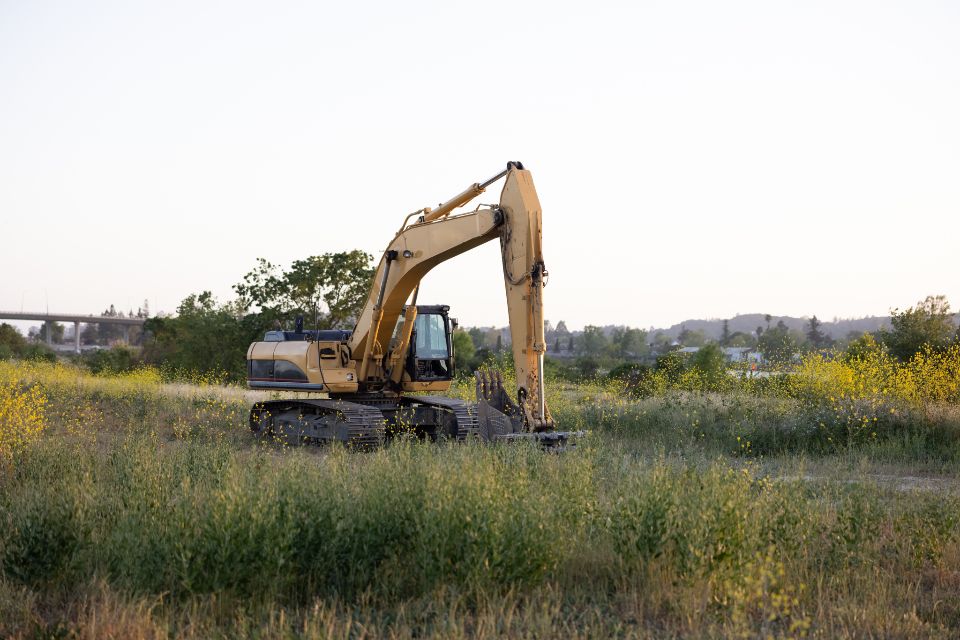
Digging a few holes for fence posts seems like a simple weekend job. Under the surface, though, there may be power cables, gas pipes, water mains and phone lines. Hitting one can be dangerous and expensive. A little checking before you pick up the post hole digger can save a lot of trouble.
Australia has a free national service that helps with this. It is called Before You Dig Australia, often shortened to BYDA. This guide explains how the service works, what the plans do and do not show and how to dig safely once you have them. It applies to fences, gates, garden beds and any other job that involves breaking ground.
Why fence lines need extra care
Fences sit right where services often run. BYDA advises homeowners to expect pipes and cables just outside the property line. They are also common under footpaths, driveways and nature strips and alongside fence lines. That makes a new front or side fence one of the riskier DIY digging jobs.
Depth is another trap. BYDA warns never to assume how deep pipes and cables are, as some sit just below the surface. In South Australia, the state government says cables are typically buried between 450 mm and 1000 mm, but depth can vary. A post hole can easily reach that far.
How Before You Dig Australia works
BYDA acts as a single point of contact for information about underground assets. According to the Before You Dig Australia general FAQs, it is free to lodge an enquiry. You can lodge through the BYDA website or its app for iPhone and Android. The enquiry should go in before any work starts.
BYDA itself does not send the plans. Instead, the asset owners registered with the service send you their plans directly. Owners are encouraged to respond within two business days. Your confirmation email lists the asset owners involved, so you know who to expect replies from.
Lodge early so the replies arrive before the job is booked in. If a contractor is doing the work, agree in advance who will lodge the enquiry. Some asset owners are not members of the service. If an owner is not listed on your confirmation, you may need to contact them yourself.
What the plans show and what they miss
The plans show that assets are present and give their approximate location. They often come with instructions for working nearby. They are indicative only, so treat them as a guide rather than an exact map. They may show mains or lead ins along the boundary but leave out detail inside your property.
Private services are the big gap. BYDA notes that privately installed services, such as irrigation pipes or power run out to a shed, will not appear on utility plans. Domestic services on your own block often do not show either. If you have a garden shed, a pool or reticulation, assume there could be something underground that no plan will reveal.
Plans also have an expiry date that varies between owners. If your plans have expired, lodge a new enquiry so you are working from current information. This matters for jobs that get delayed by weather or supply problems. Keep the plans on site while you dig.
Reading the site before you dig
Walk the area first and look for clues. Water, gas and electricity meters show where services come into the house. Telecommunication pits and boxes near the boundary are another sign. Trace a rough line from each one to the street and keep your post holes well clear of it.
Soil conditions are worth checking at the same time. Sandy ground digs easily but can collapse, while clay is hard going and holds water. Knowing the different soil types on your block helps you pick the right tools and plan the depth of each footing. Mark each post position with a peg or spray paint before any digging starts.
Digging safely once you have the plans
A reply from every asset owner is not approval to dig. BYDA is clear that you still need to follow each owner’s instructions and any safety guidance. The South Australian Government’s advice on working near underground assets says you must locate all underground cables and pipes before you start excavating. It also says not to rely solely on the plans.
The safest approach is to confirm the exact location and depth with a small trial hole. Dig alongside a marked asset rather than directly above it. If you see marker tape in the soil, take extreme care, as it often shows a service is close. Take your time near any marked line.
Hand tools or machines
Hand digging near services is slower but gives you more control. Insulated hand tools can be used, though they can still cause damage if used carelessly. Powered augers and small excavators need much more caution. Good quality spades, a crowbar and a post hole shovel are among the tools every DIY homeowner needs for this kind of job.
Using a skilled locator
If the plans are unclear, BYDA suggests contacting the asset owner directly. A skilled locator can also find assets on site, including private services the plans miss. Locating equipment has limits, though. The South Australian Government notes that an electric cable may not be detected unless current is flowing, and plastic pipes may not show up without marker tape.
Gas pipes and what they look like
Gas mains are often made of polyethylene pipe. In South Australia, these are usually yellow, or black with yellow stripes. They may or may not have detectable tape or tracer wire. If you uncover a pipe of this kind, stop and contact the asset owner before going any further.
If you damage a service
Report any damage to the asset owner straight away. BYDA notes that asset owners may seek compensation for damage you cause. It also warns that your insurance may not cover you if you damage underground assets without having lodged an enquiry. Keep a record of your plans and notes, as these help if anything goes wrong.
Doing it yourself or hiring a fencer
Many people are happy to put up a simple garden fence themselves. Others prefer a professional, especially for long boundary runs or masonry piers. It is the same kind of choice people weigh up when deciding whether to paint or hire a painter. Either way, someone needs to lodge the enquiry, and it pays to confirm who.
Timing matters for outdoor jobs too. Wet ground is heavy to dig and concrete footings cure differently in hot or cold weather. Much like choosing the best season for outdoor tiling, picking a mild, dry spell makes fence work easier. Allow time for plans to arrive before you book that window.
Network operators and safety rules differ between states. They can also change over time. The South Australian guidance above names its own local network operators. Check the instructions that come with your plans and any advice from your state’s safety regulator. When in doubt, ask the asset owner before you dig.
Frequently asked questions
Does it cost anything to lodge a Before You Dig enquiry?
No, lodging an enquiry is free. Asset owners may charge a fee if you ask them to locate assets on site. Large development enquiries may also attract a fee.
Will the plans show the pipes on my own property?
Often they will not. Privately installed services like irrigation or power to a shed are not on utility plans. A skilled locator can help find them.
How long do the plans last?
Each asset owner sets an expiry date for its plans. If yours have expired, lodge a new enquiry. That way you are always working from current plans.
Can I start digging once I have all the replies?
Receiving replies is not approval to dig. Follow each owner’s instructions and confirm locations with a trial hole. Dig carefully by hand near any marked asset.
