
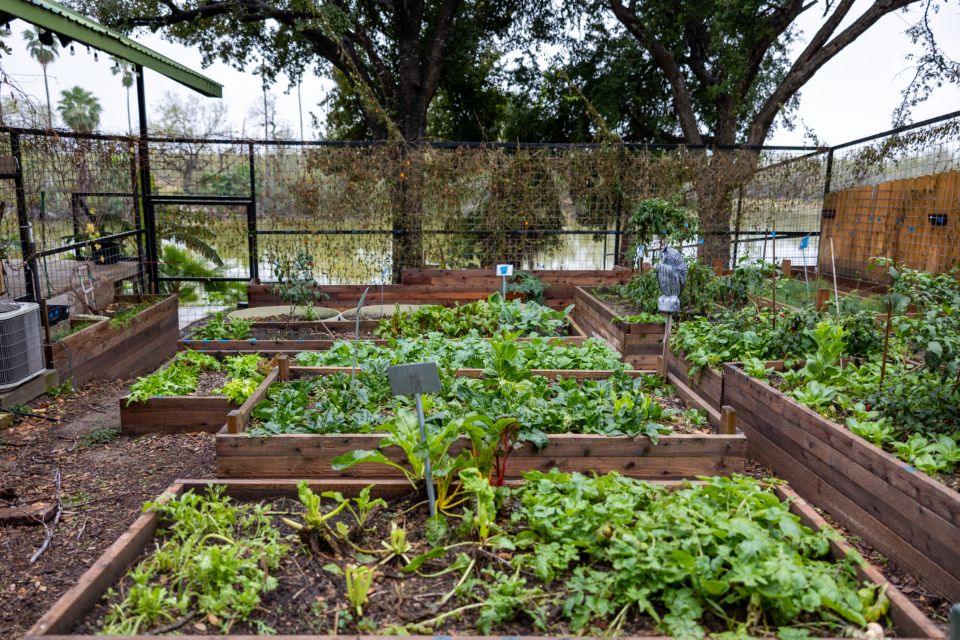
A layer of mulch is one of the simplest things you can add to a garden bed. It sits on top of the soil and acts like a blanket. It slows down water loss, keeps weeds in check and shades the root zone from the hottest sun. Done well, it means less time with the hose and healthier plants.
Done badly, mulch can cause problems of its own. Piled too thick or pushed hard against stems, it can starve roots of air or cause rot. The good news is that the rules are simple. This guide covers the main types of mulch, how deep to spread it and how to keep it working over time.
Why mulch saves water
Bare soil loses moisture quickly. Sun and wind dry the surface, and heavy rain or watering can run straight off. The Queensland Government notes that mulching around plants saves water by reducing evaporation and run off. It also helps protect roots from high temperatures and the soil from erosion.
There are other gains too. Depending on the type, mulch can limit weeds and add nutrients to the soil as it breaks down. Fewer weeds means less competition for the water you do give your plants. Over time, organic mulch also feeds the life in the soil, which is a big part of keeping the soil healthy in a landscaped garden.
Organic and inorganic mulch
Mulch falls into two broad groups. Organic mulch comes from things that once grew, such as sugar cane, grass clippings, leaves and pine bark. It breaks down slowly and improves the soil as it goes. Inorganic mulch includes rocks and pebbles, which cut evaporation but do nothing for soil structure.
Coarse organic mulch
Coarse mulches like pine bark chunks let water soak through easily. They help reduce weeds and keep the soil cool. Because they break down slowly, they last longer between top ups. The trade off is that they do little to improve soil texture.
Fine organic mulch
Fine mulches like grass clippings break down faster and improve soil texture as they do. The catch is that they compact easily into a mat. When that happens, water can sit on top instead of soaking in. Loosen fine mulch with a rake every so often so moisture can get through.
Recycled garden prunings
Mulch can also come from your own garden. Shredded prunings returned to the beds are a form of closed loop recycling. The Western Metropolitan Regional Council in Western Australia points out that mulch made this way can reduce water needs and the need for fertilisers. It also keeps green waste out of the bin.
Getting the garden ready
Preparation makes a real difference to how well mulch performs. Start by pulling out any weeds, as mulch over live weeds just gives them a head start. Rake or lightly dig the surface so it is loose. Then water the garden well if the soil is dry.
Some gardeners lay newspaper over the soil before mulching to help deter weeds. Keep it thin, as a thick layer will reduce the air supply to the soil. Think about the soil underneath before you cover it. Sandy, clay and loam soils hold water in very different ways, so it helps to know which soil type you have in your garden.
How deep to spread mulch
The right depth depends on the size of the pieces. Fine mulch goes on in a thinner layer of around 2 cm. Chunky mulch such as pine bark needs to go on thicker, at more than 5 cm. As a general guide, a layer of up to 75 mm is enough to save water and suppress weeds.
More is not better here. Too much mulch can suffocate plant roots and can even kill a plant. Spread the layer evenly with a rake rather than leaving it in mounds. A sturdy rake, a wheelbarrow and gloves are the main things you need, and most sit on the list of tools every DIY homeowner needs.
Keep mulch clear of stems and trunks
This is an easy mistake to make. Mulch pushed right up against a stem or trunk keeps the bark damp. That moisture can lead to rot. The Queensland Government suggests keeping mulch about 6 to 7 cm away from plant stems.
Picture a small ring of bare soil around the base of each plant. The rest of the bed can be covered as normal. The same applies to young trees, shrubs and natives. The gap still lets water reach the roots while keeping the stem dry.
Watering and mulch
As organic mulch breaks down, it can start to repel water. The Western Metropolitan Regional Council suggests applying a wetting agent so this does not happen. Check under the mulch now and then with your finger. If the soil underneath is dry after watering, the water is not getting through.
Mulch works best alongside sensible watering habits. Water the bed well before the mulch goes on, as the Queensland Government suggests. In hot, dry weather, a mulched bed then holds that moisture for longer. That is a big help for anyone maintaining a landscaped garden through hot, dry summers.
Watch for nitrogen loss
Fresh organic mulch can draw nitrogen from the soil as it starts to break down. Plants can show this with yellowing of the lower leaves. If you see this, a fertiliser rich in nitrogen can help balance things out. It is worth keeping an eye on beds in the first few months after a fresh layer goes down.
When to mulch and top up
Mid to late spring is a good time to mulch, before the summer heat arrives. That said, mulch can go down at any time of year. Organic mulch breaks down as it ages, so it needs regular topping up. The Queensland Government suggests topping up in autumn and spring.
The Western Metropolitan Regional Council gives a lifespan of about one to two years for mulch. When the layer looks thin or patchy, add more rather than waiting for bare soil to show. Fine mulch will need topping up sooner than coarse bark. Gravel and pebbles last much longer but never add anything to the soil.
Where mulch can go
Mulch suits almost every part of the garden. It can go around shrubs, trees and native plants and across vegetable and flower beds. Pots benefit too, as potting mix dries out fast in the sun. A thin layer on top of a pot slows that drying and keeps roots cooler.
Frequently asked questions
How thick should garden mulch be?
It depends on the mulch. Fine mulch needs only around 2 cm, while coarse bark should be more than 5 cm. A layer up to 75 mm is generally enough.
Should mulch touch plant stems?
No, leave a gap around stems and trunks. Mulch against a stem keeps it damp and can cause rot. Around 6 to 7 cm of clear space is a good guide.
Is gravel a good mulch?
Rocks and pebbles do reduce evaporation. They last a long time and suit some garden styles. They do not improve the soil the way organic mulch does.
Why are my plants yellowing after mulching?
Fresh organic mulch can draw nitrogen from the soil. Yellowing of the lower leaves can be a sign of this. A fertiliser rich in nitrogen may help.
